An English Cocker Spaniel Mom St Patrick's Embroidery Design Review
Let’s talk about this English Cocker Spaniel Mom St Patrick’s design from a practical embroidery perspective. When you’re choosing a design for real project work—whether it’s for a client order, your small shop merchandise, or a personalized holiday gift—you’re not just picking a graphic. You’re choosing a blueprint for how your finished product will look, feel, and sell. Having worked with countless embroidery files for custom apparel, patches, and boutique products, I approach every new design with a specific question: how will this actually perform when it’s stitched out?
The First Impression: Charm with a Specific Audience
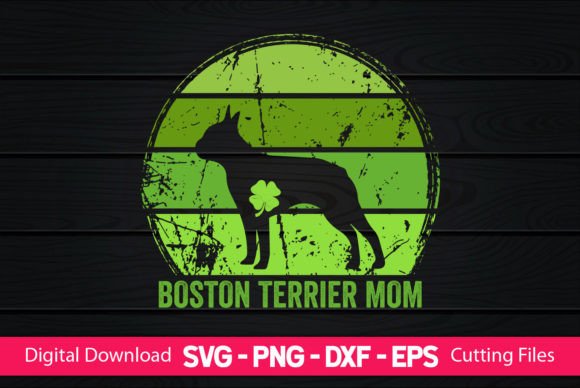
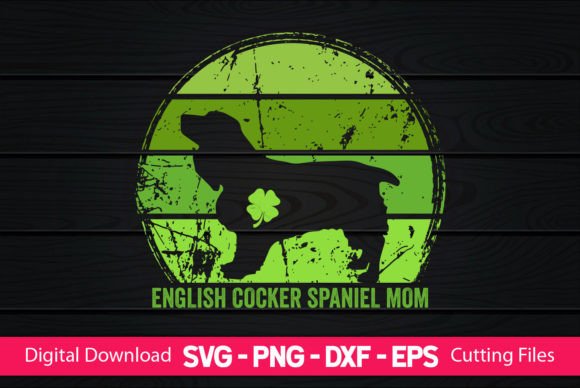
The immediate mood this English Cocker Spaniel Mom St Patrick's design creates is one of warm, thematic charm. It’s a combination of breed-specific pride and holiday celebration, which gives it a very focused visual personality. This isn’t a generic dog or holiday motif; it’s speaking directly to a particular group—likely mothers who adore their English Cocker Spaniels. For crafters and apparel decorators, that’s valuable. It suggests the design will naturally belong to projects aimed at personalization, like custom sweatshirts, tote bags for a dog-loving mom, or perhaps a decorative pillow cover for a St. Patrick’s Day-themed nursery or living space. The layout, with the integrated “Mom” text, feels designed as a cohesive unit rather than separate elements, which is promising for a clean, unified embroidered result.
Where This Design Shines in Real Projects
In real-life embroidery situations, this design’s strength is its niche appeal. Imagine preparing a custom embroidered tote bag as a St. Patrick’s Day gift for a client who is passionate about her breed. The design’s theme does the emotional work for you. For small business owners and Etsy sellers, it could be a standout item in a collection of breed-specific holiday merchandise. It would translate well onto stable, medium-weight fabrics commonly used for hoodies, aprons, or kitchen towels where the holiday fun is part of the product’s story. The likely detail level, from the shape of the dog to the celebratory accents, means it could stitch up with clear visual impact, enhancing the perceived value of a handmade product.
For commercial embroidery projects or digital product sellers using it for printable mockups, the specificity aids in buyer engagement. A customer looking for an English Cocker Spaniel item isn’t browsing generic dog designs; they want this exact connection. Using this embroidery file on a well-made baby blanket or a cap creates a product with immediate recognition and giftability. It feels personal, which builds customer trust in your ability to deliver a thoughtful, professional finish.
Practical Considerations for Stitching Success
However, with any themed, detail-oriented design, there are places to use it carefully. The small lettering for “Mom” and potentially intricate parts of the dog’s outline or the St. Patrick’s Day elements require attention. On textured fabrics like some sweaters, or on curved surfaces like caps, very fine details can lose clarity. I would not recommend this for tiny hoop sizes if the design is complex; the density could become problematic. On stretchy fabric or thin fabric without proper stabilizer, the stitch density, especially in any filled areas, might cause puckering.
Dark fabric backgrounds present another common challenge. Without checking thread color contrast in advance—perhaps by testing the design in a black and white mockup first—you might find that the traditional green and gold shades don’t pop as intended. Always test on scrap fabric first. This step is non-negotiable for maintaining handmade presentation quality and brand consistency across your products.
Turning the Design into a Professional Finished Product
The leap from digital file to physical stitched product is where your expertise as an embroidery designer comes in. How does this English Cocker Spaniel Mom St Patrick's design affect stitching clarity? Its success will hinge on how well the vector paths translate into clean satin stitch borders or smooth fill stitch areas. Areas where the dog’s fur, the hat, or ribbons are detailed might require a review of stitch density to ensure they aren’t too dense for comfortable wear on apparel or too sparse for visual appeal on decor.
For items that need frequent washing, like baby clothes or kitchen towels, consider how the design’s coverage will hold up. A robust, well-stabilized embroidery of this theme could become a cherished, durable gift. Conversely, a poorly executed version on unsuitable material could fray and diminish the product’s longevity.
Essential Designer Notes Before You Hoop
Here are my practical notes for anyone using this design for client work or their craft business.
- Always run a test stitch. Use a scrap of the actual fabric you intend to use for the final project—whether it’s sweatshirt fleece, canvas for a tote bag, or cotton for a pillow cover.
- Check thread color contrast against your background fabric. Compare light and dark fabric backgrounds. You may need to adjust the suggested palette for optimal visibility.
- Inspect the small details in your test. Look at the “Mom” text and any fine decorative lines. Are they clear and distinct? This informs your choice of hoop size and stabilizer type.
- Confirm the licensing terms for this digital embroidery file. Before selling finished items like embroidered patches or commercial embroidery projects, ensure your use aligns with the file’s license. The product description mentions it’s a digital file for cutting machines, but the specifics for commercial use must be verified.
- Consider its dual use. This design could work for both a personal gift and a small shop product. Ensure your technical execution is professional enough for both contexts.
Ultimately, an embroidery design like English Cocker Spaniel Mom St Patrick's is more than a Crafts & Graphics asset. It’s a potential centerpiece for a meaningful product. Its value is unlocked not by the file itself, but by your skilled application of it. By thoughtfully pairing it with the right fabric, the right stabilizer, and the right project, you can create an embroidered piece that delights a specific customer and reinforces your reputation as a meticulous maker. That’s the real goal of any embroidery project review: to see not just the design on screen, but the beautiful, tangible thing it will become.