From Design File to Stitched Reality: A Cat Mom Embroidery Review
When a digital embroidery design lands in my library, my first question is always: how will it translate into thread and fabric? The promise of a file is different from the reality of a finished stitch. Today, I'm looking at the popular I m Not a Regular Mom I m a Cat Svg Des design from that exact perspective, judging it purely on how it would perform in my real-world projects—from client apparel to my own shop’s merchandise.
The Immediate Personality: Bold, Playful, and Unapologetically Specific
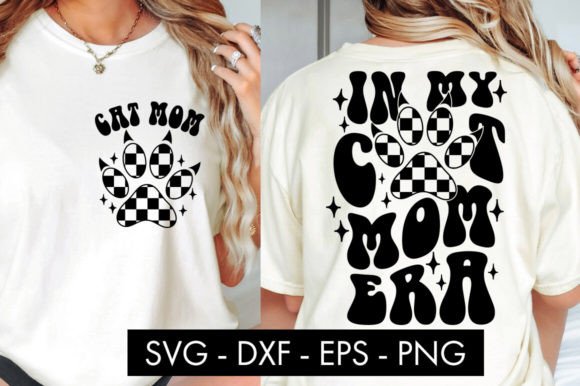
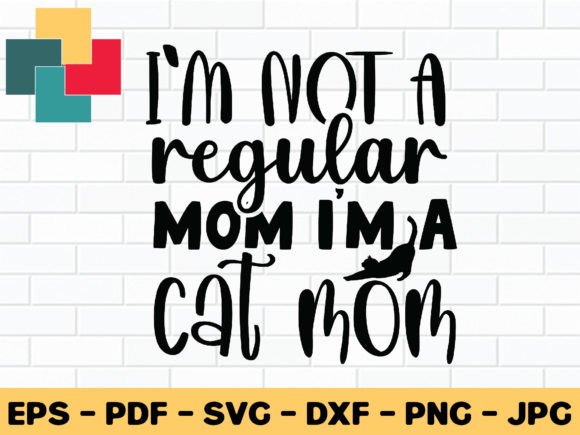
Right away, this design tells you exactly what it's about. The core concept—a humorous twist on a classic meme for cat lovers—is visually clear and instantly engaging. This isn't a generic floral motif; it’s a statement piece with a built-in audience. The layout, assuming a typical rendering from the SVG, likely presents the text as the dominant feature, with the cat element providing a playful anchor. That balance is crucial. For embroidery, a design needs to have a visual hierarchy that stitches can follow without losing the joke. The mood here is confident, funny, and proudly niche, which is a goldmine for targeting a specific customer.
This kind of design doesn't whisper; it declares. It belongs on projects meant to be gifts for the cat-obsessed friend, on a tote bag for a feline rescue volunteer, or as a personalized sweatshirt for someone whose home is ruled by a furry overlord. Its visual personality screams for a bold application.
Where This Design Stitches Up Brilliantly
Let’s talk about where I'd confidently put this design into production. Its strength lies in medium to larger-scale applications on stable fabrics.
- Custom Apparel: Think cotton sweatshirts, sturdy t-shirts, or denim jackets. The bold lettering would satin stitch beautifully, creating a clean, readable statement. A client requesting a personalized gift for a "cat mom" would be thrilled with the result.
- Tote Bags and Aprons: These are perfect canvases. The flat, non-stretchy surface of a canvas tote or a kitchen apron allows for excellent stitch clarity, making the humorous text the star.
- Home Decor: Embroidered onto a pillow cover for a cat-friendly living room or stitched onto a tea towel in a quirky kitchen, it adds personality. It turns a simple household item into a conversation piece.
- Boutique Merchandise & Patches: For small businesses or Etsy sellers catering to pet lovers, this design is a ready-made product. Stitched as a standalone patch, it could be sold for buyers to apply themselves, or applied directly to hats and caps for a unified, branded look.
- Digital Product Mockups: As a Graphics file, it's invaluable for sellers of digital embroidery assets. It creates immediate visual appeal in listings, showing potential buyers exactly the kind of fun, themed project they can create.
In these scenarios, the design enhances product value by being unmistakably unique. It builds customer trust because it delivers exactly what it promises: a recognizable, witty sentiment. For a handmade presentation, it feels professional because the concept is complete—it doesn't require the maker to invent the joke.
The Considerations: Where to Proceed with Caution
Not every design is universal, and an experienced embroiderer knows to match the file to the substrate. Here's where I'd be careful with this one.
- Small Hoop Sizes: If the text script is particularly detailed or the cat element has fine lines, scaling it down for a tiny baby garment or a small hat badge might compromise legibility. Tiny lettering can become a blob of thread.
- Textured or Stretchy Fabrics: Knits, thin jersey, or highly textured linen can distort clean satin stitches. The clarity of "I'm Not a Regular Mom" could suffer on a stretchy t-shirt without perfect stabilizer and tension management.
- Dark Fabric Backgrounds: This is a universal challenge, but with a design reliant on text, contrast is paramount. You'd need to plan thread colors carefully—bright whites or light pastels—to ensure the message pops on dark garments.
- Curved Surfaces: Embroidering directly onto a structured cap’s curved panel can distort a linear design. Sometimes, creating a flat patch first and then attaching it is a smarter approach for complex layouts.
- Products for Frequent Washing: High stitch-density areas, if present, can be tough on fabrics subjected to heavy laundering. For items like kitchen towels or everyday wear sweatshirts, a simpler fill stitch approach might be more durable than overly dense decorative accents.
The key is to visualize the finished product not just as a digital preview, but as a physical item that will be worn, used, and washed.
A Real Scenario: Crafting the Perfect Cat Mom Tote
Picture this: a customer orders a custom embroidered tote bag as a birthday gift for their sister, a proud owner of three cats. They've chosen this design. My process starts with the file. I'd first run a test on scrap canvas fabric identical to the tote material. This lets me check the actual stitchout—do the letters connect cleanly? Does the cat silhouette, if included, have any awkward corners that might cause thread breaks? I'd assess the stitch density; is it appropriate for the bag's weight? I'd also test it in a digital black-and-white mockup to see how it looks as a graphic, ensuring the layout is balanced.
For the final piece, I'd choose a high-contrast thread scheme—perhaps a bold black for the text on a natural canvas bag. A quality cutaway stabilizer would be essential for the tote's often slightly stiff fabric. The result? A functional bag transformed into a personalized, hilarious gift. The engagement from the recipient is guaranteed because the design speaks directly to her identity. That's the power of a well-executed, niche embroidery file.
Practical Notes for the Professional Maker
Whether you're a hobbyist or a commercial embroiderer, a few disciplined steps will ensure this design shines in your embroidery project.
- Always, always test on scrap fabric first. This is non-negotiable.
- Review the design on both light and dark background mockups to plan your thread palette.
- Confirm the hoop size needed for your intended product. Don't assume.
- Inspect the small details in the file preview. Are there minute spaces in the lettering that might need adjustment for your machine?
- Use the proper stabilizer for your chosen fabric. A tote needs different support than a baby blanket.
- Most critically, check the licensing terms provided with the digital download. This is an instant digital file, so understand clearly if it's for personal use, commercial use, or both before you sell any finished product or incorporate it into your craft business merchandise.
The I m Not a Regular Mom I m a Cat Svg Des design, from the Crafts and Graphics realm, is a potent tool. It’s not just a pattern; it's a complete visual idea with strong commercial and gift appeal. Its success hinges on the maker's skill in pairing it with the right project and executing the stitchout with practical, professional care. When matched well, it creates an embroidered product that feels both handmade and perfectly polished, a combination that delights customers and builds a reputable brand for any creative entrepreneur.