Retro Autism Design: A Practical Embroidery Review
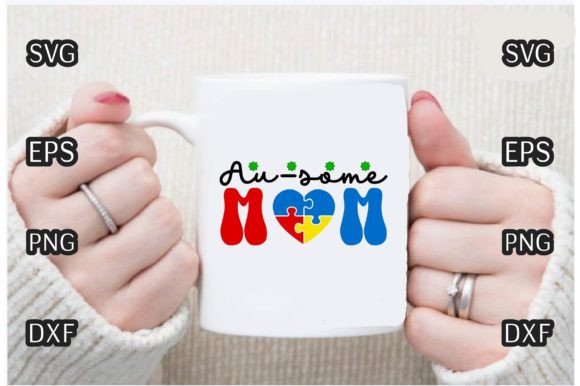
When a new design lands on my desk, the first thing I do is imagine it stitched. Not as a flat graphic on a screen, but as thread on fabric—the texture, the dimension, the final feeling it will give a finished product. So when looking at the Retro Autism SVG, Au-some Mom design, my mind immediately goes to a custom embroidered sweatshirt or a cozy tote bag. It has that warm, vintage charm that feels both celebratory and deeply personal.
The First Impression: Where This Design Naturally Belongs
The retro aesthetic here isn't just a style; it’s a mood. It creates a sense of nostalgia and warmth, which is perfect for items meant to be cherished. The layout and typography have a friendly, approachable personality. This isn’t a stark, modern graphic; it’s something that feels handmade already, even in its digital form. For embroidery designers and craft business owners, that’s a significant starting point. It tells you this design is destined for projects where emotion and connection are key—think personalized gifts, boutique baby items, or cozy home decor like pillow covers.
I can easily visualize this on a soft baby blanket or a canvas tote bag for a caregiver. The theme is clear and supportive, and the design’s detail level suggests it will translate well into satin stitch for lettering and likely a clean fill stitch for the central graphic elements. It feels like a design that would resonate strongly as a holiday gift or a year-round personalized product in a small shop.
Performance on Real Projects: From Mockups to Merchandise
Let’s walk through a real scenario. Suppose an Etsy seller wants to create a line of embroidered patches or custom apparel for autism awareness. Using this embroidery file as a base, how would it perform? On a sweatshirt, the retro styling would stand out with a classic, comfortable appeal. Stitched onto a cotton apron or a kitchen towel, it becomes a meaningful, daily-use item. For a digital product seller, this file is a solid design asset for creating printable mockups or offering as part of a commercial embroidery service.
The key to its success in these applications will be stitch clarity. The design’s visual appeal hinges on clean edges and distinct elements. On light fabrics, like a white baby onesie or a linen pillow cover, it would pop beautifully. On dark fabric backgrounds, careful thread color selection will be paramount to maintain that retro warmth and ensure all the details remain legible. This directly affects product value and customer trust—a crisp, professional embroidery finish makes a handmade product feel premium.
Careful Considerations: Where to Pay Extra Attention
No design is universally perfect for every application, and a practical review means pointing out where to proceed with caution. For this Retro Autism design, the areas that might require extra attention are typically related to scale and surface.
If you’re thinking of a small hoop size, like for a hat or a tiny patch, you must inspect the small details and any tiny lettering. A very dense stitch area in a small space can become muddled. Similarly, textured fabrics or stretchy fabric like jersey for t-shirts demand the right stabilizer to keep those clean lines intact. Embroidering on curved surfaces, such as caps, requires testing to see how the layout adapts to the shape.
Also, consider the end use. For products that need frequent washing, like baby clothes or kitchen towels, a robust stitch density and quality threads will ensure longevity. This isn’t a drawback of the design itself, but a reminder that your execution choices will determine how well the design’s charm lasts.
How This Design Impacts Your Craft Business
Beyond the stitch itself, using a design like this affects your broader work. It can enhance brand consistency for a shop focused on supportive, heartfelt goods. Its giftability is high, making it a strong candidate for holiday or Mother’s Day collections. For an apparel decorator, it offers a recognizable, meaningful motif that can engage a specific community, deepening buyer engagement.
The professional presentation of a well-embroidered item using this file boosts the perceived craftsmanship of your handmade product. It moves from a simple graphic to an heirloom-quality piece. That translation is where the real value for creative entrepreneurs lies.
A Designer's Practical Notes Before You Hoop It
Before you run this file on your machine, here’s my standard checklist. I apply this to any new embroidery project, and it’s saved me from many a misfire.
- Always test the design on scrap fabric first, using a similar material to your final project.
- Check thread color contrast thoroughly. View the design in black and white mockups to see if the contrast holds without color.
- Review the stitch density in your software. Does it look appropriate for your chosen fabric? Too dense can cause puckering; too light might look unfinished.
- Confirm your hoop size can accommodate the design at the size you want, and that all elements fit comfortably.
- Inspect small details closely in your preview. Are there any corners or joins that might need a slight adjustment in stitch order?
- Compare how it looks on both light and dark fabric backgrounds in your preview software.
- Use the proper stabilizer for your fabric type. This is non-negotiable for achieving clarity.
- Crucially, check whether the design works for both personal and commercial projects. The product description notes it's a digital download including SVG, DXF, EPS, and PNG files. However, always confirm licensing before selling finished items or digital products. If the terms aren't explicitly stated with the files, it’s your responsibility to seek clarification.
Remember, the provided file formats are common for machine embroidery design and vector work, but their compatibility with your specific machine and software should be verified.
The Final Stitch: Realistic Expectations for a Meaningful Design
In closing, the Retro Autism SVG, Au-some Mom design presents a lovely opportunity for crafters and makers. Its strength is in its emotional resonance and vintage aesthetic, which naturally suit a range of heartfelt projects. As a graphics product in the crafts category, its utility comes from how you translate it from digital pixels to physical thread.
By approaching it with a practical eye—testing, adjusting for context, and ensuring professional execution—you can create finished products that truly honor the design’s intent. Whether for a personal gift or a small shop product, its success will be measured by the care you put into the stitch, and the connection it makes when someone sees it, finally, in real life.