A Boston Terrier Mom St Patrick’s Day Design Review for Embroidery
When a new holiday-themed design lands in my project folder, my first question is always: will this stitch out with charm and clarity? As someone who designs and stitches for clients—from boutique shops to personalized gifts—a file needs to work in the real world, not just look cute on screen. Let’s walk through my thoughts on the Boston Terrier Mom St Patrick’s Day design from the perspective of a professional preparing to use it.
First Impressions: Charm with a Clear Seasonal Mood
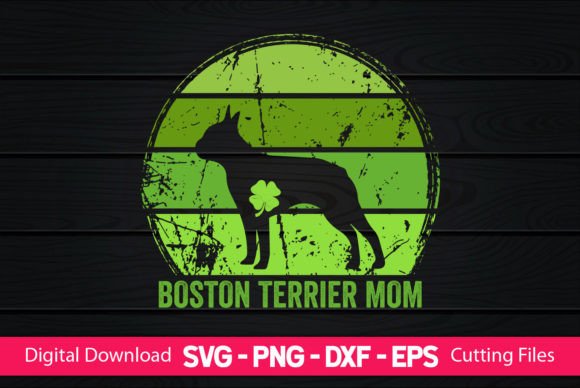
The immediate charm of this design is its playful, thematic focus. It’s not just a Boston Terrier; it’s a Boston Terrier Mom, framed with a clear St. Patrick’s Day spirit. That combination creates a specific mood—it’s celebratory, affectionate, and a bit whimsical. The layout likely centers the dog with festive accents, which from an embroidery standpoint, means you have a clear focal point. The personality feels geared towards a gift or personal statement, not generic decor. This tells me it belongs naturally to personalized gifts, holiday-themed apparel, or niche small shop merchandise for dog lovers who celebrate the season.
The Natural Fit: Where This Design Stitches Out Best
Imagine you’re preparing a custom embroidered sweatshirt for a client who’s a proud Boston Terrier owner. This design isn’t just a graphic; it’s a conversation starter. In real-life embroidery situations, its appeal lies in that specificity. It would perform beautifully on a tote bag for a craft fair, a baby blanket for a festive nursery, or a kitchen towel as a fun holiday hostess gift. For an Etsy seller specializing in pet-themed items, this could be a standout listing for March.
Think of it on a embroidered patch applied to a denim jacket—the theme is instantly recognizable and adds value. For custom apparel like t-shirts or hoodies, it creates a product with high giftability. In my experience, designs with this level of thematic clarity help build customer trust because they feel thoughtfully curated, not mass-produced. They enhance the handmade presentation and can strengthen brand consistency for a shop focused on pet lovers or holiday celebrations.
Considering the Stitching Scenario: A Practical Walkthrough
Let’s get practical. I’m considering using this machine embroidery design for a batch of spring holiday aprons for my small business. The first thing I do is think about the stitch execution. The design likely incorporates text (“Mom”) and the dog’s details. For successful embroidery, the stitch density needs to be balanced. Small, intricate areas, like the dog’s facial features or decorative Shamrocks, require careful hoop size selection. I would not attempt this on a very small hoop; the detail needs space to breathe.
Fabric texture is key. This design would shine on a mid-weight cotton for an apron or pillow cover, but could get lost on a very textured fabric like a loose-knit sweater. On dark fabric, you’d need to ensure the thread colors—presumably greens, whites, and blacks—have enough contrast for clarity. Stabilizer choice is non-negotiable here, especially if any elements use a satin stitch for borders or lettering, to prevent puckering.
Points of Care: Where to Pay Extra Attention
Every design has its delicate points. For this Boston Terrier theme, the areas that demand careful handling are probably the tiny lettering of “Mom” and any fine outlines on the dog. On stretchy fabric like a t-shirt, extra stabilizer and possibly a lighter fill stitch density will prevent distortion. If applying it to a curved surface like a cap, the layout might need slight adjustment to ensure it sits flat visually.
Products that need frequent washing, like baby clothes or kitchen towels, require robust stitching. I’d test the design’s durability on scrap fabric first, checking that small satin stitch elements or running stitch details don’t fray easily. Also, for commercial projects, the embroidery file must be cleanly digitized to avoid thread breaks in dense areas, which slows production and affects professionalism.
Designer Notes for Your Embroidery Project
Before you load this file, here are my standard professional checks. First, always test the design on scrap fabric identical to your final product. This reveals any issues with stitch clarity or density. Second, review the design in both black and white mockups to understand how it will look on light and dark backgrounds; this helps plan thread colors. Third, confirm the hoop size you’ll need—don’t assume.
Crucially, for those using this in a craft business or selling finished items, you must confirm licensing before selling. The product description notes it’s a digital file for cutting machines, but for commercial embroidery, ensure your license covers selling the stitched physical product. This protects your business and respects the designer.
Finally, think about the final product’s visual appeal. How will this design look after stitching? A clean, well-stitched Boston Terrier Mom St Patrick’s Day motif on a tote bag or sweatshirt feels personal and premium. It boosts buyer engagement because it speaks directly to a niche audience. For digital product sellers, using it in clean printable mockups can showcase its potential beautifully.
The Final Stitch: A Design with Purpose
In the end, the Boston Terrier Mom St Patrick’s Day design isn’t just another holiday graphic. It’s a design asset with a clear purpose and audience. Its value in real embroidery projects comes from that focus. It encourages you to create products that feel intentional—a personalized gift for a dog-loving mom, a limited-run holiday item for your boutique, or a cheerful patch for a spring festival. As a designer, that’s what I look for: a file that translates smoothly from screen to stitch, and from stitch to a product people genuinely love.
Remember, the success of any embroidery project lies in matching the design’s character to the right product and executing it with care. This design, with its festive and affectionate mood, gives you a strong starting point for something special.