My Mom is a Gift: Evaluating a Ramadan Design for Embroidery
When a new design file lands in my studio, I don’t just open it and admire it on screen. I immediately start visualizing it on fabric—how will it stitch out, what will it feel like on a finished product, and will it resonate with the person holding that item? That’s the lens I’m using as I look at ‘Ramadan Svg Design, My Mom is a Gift.’
The Immediate Mood and Visual Personality
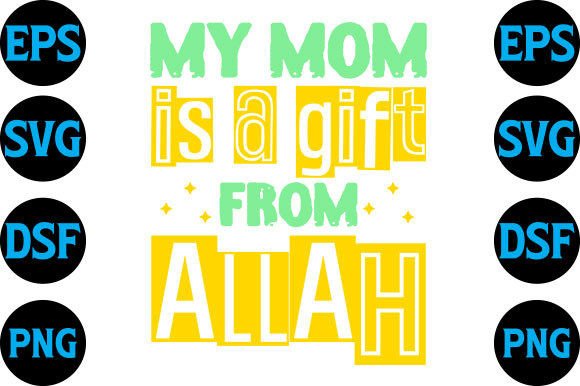
The design’s core message is beautifully direct: ‘My mom is a gift from ALLAH.’ This isn’t a generic holiday graphic; it’s a deeply personal statement. The typography and layout, as I see them in the provided file formats, create a mood of reverence and heartfelt appreciation. For an embroidery designer, this means the project becomes more than just decoration—it becomes an expression of love and faith. The visual personality leans toward elegant simplicity, which is a major advantage. It suggests clean lines and manageable detail levels, making it a strong candidate for a wide range of embroidery projects without overwhelming the fabric.
Where This Design Finds Its Natural Home
I’m picturing a specific scenario: a client requests a custom gift for her mother during Ramadan. She wants something meaningful, not flashy. This embroidery file immediately comes to mind for a keepsake item. A beautifully embroidered pillow cover for a mother’s sitting area, or a delicate tote bag she can use for daily outings. The sentiment makes it perfect for personalized gifts—think a baby blanket or a child’s sweatshirt with ‘My mom is a gift from ALLAH’ stitched subtly, a reminder of love and heritage.
For small business owners and Etsy sellers, this design translates into products with high giftability. It could be the centerpiece of a Ramadan-themed collection: embroidered tea towels for the kitchen, elegant patches for aprons, or minimalist décor for the home. The emotional core of the message adds perceived value, turning a simple embroidered item into a cherished object.
Performance on Real Products: A Practical Walkthrough
Let’s move from theory to the hoop. How would this design perform on actual items? On a heavyweight sweatshirt or a canvas tote bag, the text-based nature should yield excellent clarity. Satin stitches for the lettering would look crisp, and fill areas, if present, should be manageable without excessive stitch density. On baby clothes or lighter fabrics like linen tea towels, you’d need to be mindful of stabilizer choice to prevent puckering, but the design’s likely simplicity is a friend here.
For apparel decorators considering caps or curved surfaces, the layout is key. I’d advise testing a mockup first to ensure the longer text line fits comfortably on the curved panel without distortion. On dark fabrics, thread color contrast becomes paramount—a bright white or metallic thread could make this message shine. The design’s potential for commercial embroidery projects is clear, from small shop merchandise to boutique branding items for Ramadan.
Considerations for Stitching Clarity and Longevity
This is where professional experience dictates caution. Any design with text, especially one carrying such a meaningful message, demands stitching clarity. Before running it on a client’s premium linen pillow cover, I would always stitch it out on scrap fabric first. Check the small details—are the lettering connections clean? Does it read well at the intended size? On textured fabrics like knitted blankets, or thin, stretchy fabrics for apparel, the choice of stabilizer becomes critical to maintain the design’s integrity.
For products destined for frequent washing, like kitchen towels or everyday caps, a robust stitch construction is needed. I’d review the stitch density in my software to ensure it’s not too light, which might wear quickly, nor too dense, which could stiffen the fabric. The goal is a balance that keeps the message legible and beautiful for years.
Affecting Customer Trust and Professional Presentation
Using a design like this well elevates your work. When a customer sees ‘My mom is a gift from ALLAH’ embroidered with precision on a gift, it builds immense trust. They see attention to detail and respect for the sentiment. For handmade businesses, this consistency in quality turns a single sale into a repeat customer. It enhances your brand’s reputation for handling meaningful projects.
For digital product sellers offering this as part of a bundle, providing clear notes on recommended hoop sizes and fabric tests within your listing can greatly increase buyer engagement. It shows you’re thinking like an embroiderer, not just a file seller.
Practical Designer Notes Before You Hoop
My routine with any new embroidery file, including this one, involves a checklist. First, explore all the file formats—SVG, PNG, DXF, EPS—in your software to see which gives you the cleanest paths for your machine. Test the design in a black and white mockup to assess its form without color distracting you. Compare how it might look on both light and dark fabric backgrounds; you may need to adjust thread colors accordingly.
Always confirm the licensing terms for the design before using it for commercial projects or selling finished items. The description notes it’s a digital product for Crafts and Graphics, but clarity on commercial use is essential for small business owners and creative entrepreneurs. Finally, while the design feels suited for medium hoop sizes, I would never assume. Verify the actual dimensions and required hoop size in your embroidery software before starting a project, especially for smaller items like patches or baby apparel.
In essence, ‘Ramadan Svg Design, My Mom is a Gift’ presents more than a graphic; it offers an opportunity. It allows embroiderers to create products steeped in emotional resonance. By approaching it with practical testing and an understanding of its best applications—from personalized holiday gifts to boutique merchandise—you can ensure that the final stitched product honors both the craft and the beautiful message it carries.