Mom's Snacks Wavy Retro: A Designer's Embroidery Review
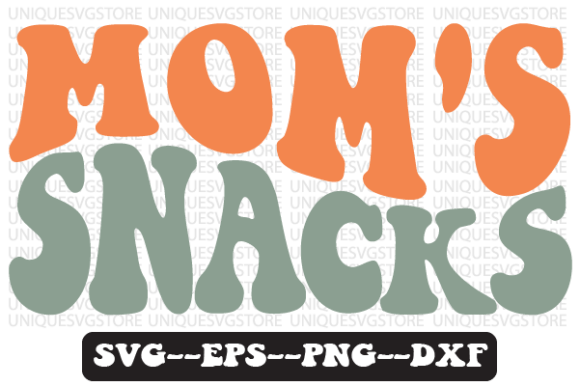
When a new embroidery design file lands in my library, I don't just look at it on screen. I picture it stitched out, worn, washed, and living on a real product. Today, I’m thinking through the Mom's Snacks Wavy Retro Svg Design, judging its potential not as a digital graphic, but as a tangible, embroidered creation. This isn't about specs; it's about practical craft.
The Groovy First Impression: Where This Design Belongs
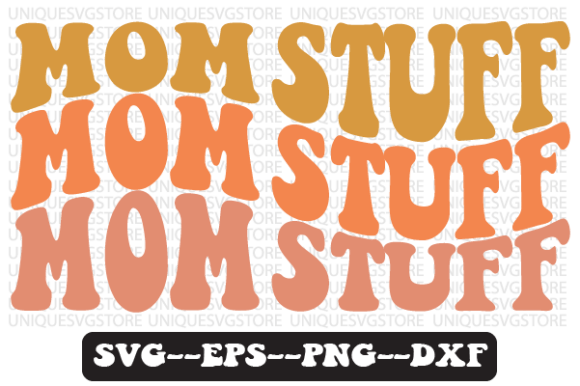
Opening the file, the mood is immediate: playful nostalgia. The wavy, retro font style isn't just text; it's a visual personality. It feels lighthearted, warm, and uncomplicated. For embroidery, this is a signal. This design isn't for a formal logo or a minimalist minimalist aesthetic. It naturally calls out for projects where fun and sentiment are the main ingredients. I instantly imagined it on a kitchen towel for a mom who loves baking, or as a central motif on a relaxed, weekend sweatshirt. The layout is straightforward, which is a strength—it means the focus will be on the quality of the stitching and the chosen thread colors, not on navigating intricate, tiny details.
Stitching It Into Reality: Project Scenarios That Work
Let's walk through a real case. Picture a custom order for a personalized baby gift: a soft cotton blanket. The client wants something cheerful and unique for a new mom. The Mom's Snacks Wavy Retro design, embroidered in a soft pink or sky blue satin stitch for the letters, could become a charming, keepsake-quality piece. The wavy letters would add visual movement without being overwhelming for a nursery item. On a denser fabric like a canvas tote bag, using a combination of fill stitch for solidity and running stitch for definition could make a robust, everyday item feel special and boutique-level.
For small business merchandise, like an Etsy seller creating a line of cozy apparel, this design fits the "handmade with love" category perfectly. Embroidered on the breast of a linen apron, it suggests a hobbyist's passion. Stitched onto a cotton pillow cover, it becomes decorative home text. Its charm is its readability and theme—it clearly communicates a light, snack-loving, mom-centric vibe, which engages buyers looking for a specific, giftable message.
Where Thread Meets Fabric: Navigating Practical Embroidery
While the design's personality is strong, its application needs thoughtful execution. The wavy nature of the letters means there are curves and likely some closed-off areas within the text. On a stretchy fabric like a standard t-shirt, a good stabilizer is non-negotiable to prevent puckering and to maintain those smooth wave shapes. For small hoop sizes—think caps or baby bibs—you must check the scale. Scaling down too much could compress those waves, making the satin stitches too dense and the text less legible.
Dark fabric backgrounds present a classic embroidery consideration. The design's appeal relies on clear, cheerful lettering. Using a bright, contrasting thread palette—perhaps a creamy white or a pastel yellow—will be essential to keep that groovy mood from disappearing on a navy or black sweatshirt. Always, always stitch a test on scrap fabric of the same type and color first. This lets you review stitch density, see how the curves translate, and choose your final thread colors with confidence.
Beyond the Stitch: Value, Trust, and Presentation
How does using this file affect the final product's perceived value? For a craft business owner, consistency matters. If this retro style becomes part of your brand's voice—say, for a line of kitchen-themed gifts—it can build recognition. The handmade presentation of embroidery already adds a layer of trust and quality; a well-executed, fun design like this enhances that. It feels professional not because it's overly complex, but because it's appropriately applied and stitched cleanly.
For commercial embroidery projects, perhaps for a local boutique's branded merchandise, the design offers a ready-made, friendly aesthetic. It saves design time and provides a clear visual. However, its success hinges entirely on the embroidery file's technical preparation and the machine operator's skill. The provided SVG, EPS, and DXF formats are typical for vector-based machine embroidery design conversion, but the critical step is how it's digitized for your specific machine and project. The design's visual clarity should translate well into stitch paths if the digitizing respects the curves and avoids overly dense fill areas.
A Designer's Direct Notes Before You Hoop It
Before you run this design for a client order or a new product batch, here’s my practical checklist. First, look at it in a simple black and white mockup. Does the shape hold up without color? This tests the form. Second, compare your thread choices against both light and dark background mockups—digital previews are helpful here. Third, confirm the licensing for your intended use. Is this for personal gifts, or are you selling the finished embroidered products? Always know the rules.
Consider the product's life. An embroidered patch on a backpack needs durability; a fill stitch on a kitchen towel needs to withstand washing. The Mom's Snacks Wavy Retro design, with its likely solid letterforms, should be robust enough for items that need frequent laundering if stitched with quality thread and proper technique. For textured fabrics like a sweater, a slightly larger scale might be better to ensure the wavy details aren't lost in the fabric's surface.
The Final Verdict: A Charming Asset for the Right Project
In my evaluation, the Mom's Snacks Wavy Retro Svg Design is a strong candidate for specific embroidery projects where its retro, whimsical personality is an asset. It’s not a universal, all-purpose graphic. It’s a specialized tool. Its value shines on personalized gifts, casual apparel, home decor items, and boutique merchandise that targets a nostalgic, affectionate mood. For the embroidery designer, crafter, or small shop owner, it offers a ready-made theme that, when stitched with care and strategic color choices, can produce finished products that feel both handmade and professionally conceived. Remember, the file is the starting point; your skill in choosing the fabric, the thread, the stabilizer, and the product context is what turns this digital crafts asset into a beloved, physical object.