Evaluating the 'Mom Life' Design for Embroidery Projects
When I download a new embroidery file, I don't just look at the preview. I imagine it stitched out on a real product, held in a customer's hands. That's the lens I'm using as I unpack the Mom Life - Mother Day Svg. This isn't a generic review; it's a practical assessment of how this design holds up in the world of threads, fabrics, and client projects.
First Impressions: The Mood and Personality of 'Mom Life'
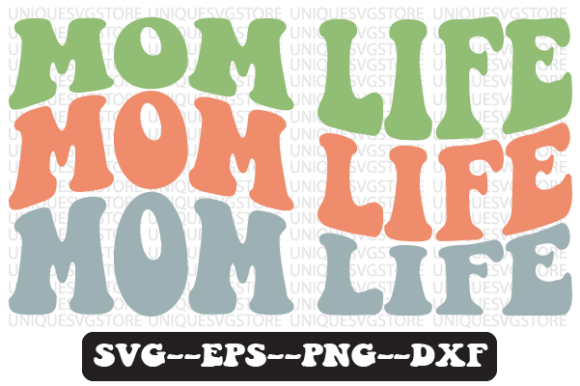
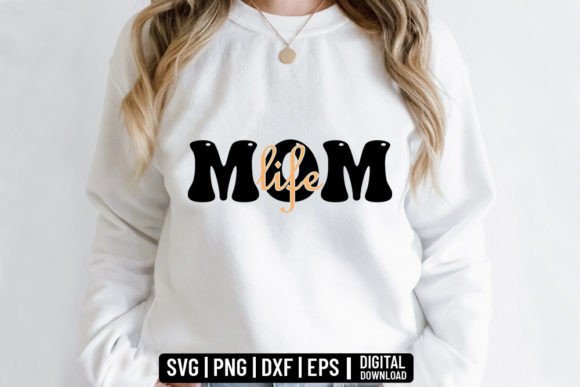
The design immediately strikes a warm, modern, and slightly playful tone. The layout and typography feel current, leaning towards a clean, heartfelt aesthetic rather than a overly ornate one. This visual personality is its biggest strength—it creates a mood that resonates without being cliché. For an embroidery designer, that's gold. It means the design can adapt: it could feel sweet and tender on a baby blanket, or confident and stylish on a boutique sweatshirt. The detail level appears balanced; it looks detailed enough to be interesting, but not so dense that it becomes a stitching nightmare on certain fabrics.
The Real-Life Embroidery Scenario: A Custom Embroidered Tote
Let's get concrete. I'm picturing a common project: a custom tote bag for a Mother's Day gift. My client wants something unique, well-made, and emotionally resonant. I open the Mom Life - Mother Day Svg file, thinking about stitch clarity on the bag's canvas texture. The promise of a vector, resizable file is critical here. I can scale the design to perfectly fit the bag's panel without losing sharpness. The fact that it includes multiple file formats like EPS and DXF speaks to versatility, making it easier to handle across different software before it even hits my embroidery machine.
This adaptability makes it a candidate for far more than just a tote. I'm mentally running through my project queue: a cozy, embroidered patch for a denim jacket; a subtle, elegant corner motif on a linen pillow cover for a nursery; a crisp, clean applique on a cotton apron. The theme is universally understood, but the design's execution suggests it could elevate simple kitchen towels or tea towels into thoughtful, boutique-level gifts. For an Etsy seller or small shop owner, this is a design that could anchor a whole line of Mother's Day or everyday appreciation merchandise.
Where This Design Thrives and Where It Needs Care
For visual appeal and customer trust, a clean stitch-out is everything. On stable, medium-weight fabrics like sweatshirts, tote bags, or quilted blankets, I expect this design to perform beautifully. The shapes seem designed to allow for clean satin stitch borders and manageable fill areas, which translates to a professional-looking finished product. That professionalism builds brand consistency for a business and giftability for a hobbyist.
However, practical judgment requires caution. Any design with lettering and potentially fine details needs a thoughtful approach on tricky surfaces. On stretchy fabrics like t-shirts, a robust stabilizer strategy is non-negotiable. Embroidering on curved surfaces like caps requires careful testing of the resized design to ensure the small lettering and details don't distort. Dark fabric backgrounds demand a deliberate thread color choice for contrast—this isn't a design you'd want to stitch in dark grey on black. And for products destined for frequent washing, like baby clothes, I'd be scrutinizing the stitch density in any small, intricate corners to ensure longevity.
Affecting Your Business and Craft
How does using a file like this affect your work? For a creative entrepreneur, a well-executed embroidery file is a reliable asset. It saves design time, ensures a quality starting point, and helps deliver a finished product that feels cohesive and intentional. When a customer sees Mom Life neatly embroidered on a product, the handmade presentation gains a layer of polished craftsmanship. That increases perceived value and buyer engagement. It looks like you cared about the design, not just the stitching.
Essential Designer Notes Before You Hoop Up
My final thoughts are always a checklist of practical steps. I never skip these, and I advise you never to either.
- Always, always test the design on scrap fabric first. Use the same material and stabilizer you plan for the final project.
- Check thread color contrast by viewing the design in black and white mockups. Does the composition hold up?
- Review the stitch density by running a small section. Is it appropriate for your chosen fabric weight?
- Confirm your hoop size can accommodate the scaled design comfortably, especially if you're enlarging it for a statement piece.
- Inspect the small details in the test run. Are any elements too fine for your machine or thread choice?
- Compare how it looks on light and dark fabric backgrounds in your software preview. Plan your thread palette accordingly.
- Use proper stabilizer. This is the foundation of a clean stitch-out, not an optional step.
- Crucially, check the provided licensing terms before selling finished items or digital products. The product description notes commercial-ready files, but clarity on your specific use case is your responsibility.
The Mom Life - Mother Day Svg, from a designer's perspective, feels like a solid, versatile starting point for a range of meaningful embroidery projects. It carries a mood that connects, and its vector nature offers the flexibility we need in real-world crafting and commerce. Approach it with a professional's caution for the tricky scenarios, and it could become a trusted asset in your digital library for personal gifts and small shop products alike. The real judgment, as always, comes from the needle and thread.