An Embroidery Designer’s Take on Autism Awareness SVG Proud Autism Mom
As someone who regularly evaluates designs for real embroidery projects, whether for client work or my own small shop products, I approach each file with a practical eye. It’s not just about whether a design looks nice on screen—it’s about how it will translate into stitches, what mood it creates on a finished product, and where it truly shines. Today, I’m considering the Autism Awareness SVG Proud Autism Mom design.
The First Impression: Warm, Personal, and Unmistakably Purposeful
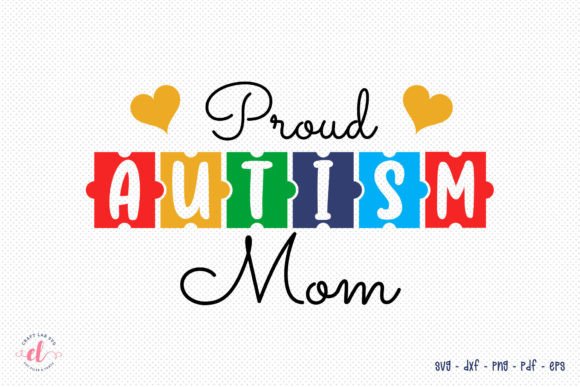
Opening this file, the immediate feeling is one of warmth and proud, personal declaration. The theme is clear and heartfelt, which is essential for awareness-based designs. The layout and shape feel balanced, not overly ornate, which is a good sign for embroidery. Designs that are too busy on screen often become muddled in thread. This one has a visual personality that’s friendly and direct, making it belong naturally to projects meant for gifting, personal wear, or boutique merchandise that carries a message.
Where This Design Naturally Finds Its Home
In my mind, I immediately picture this on a custom embroidered tote bag or a cozy sweatshirt. These are items that carry a statement comfortably. I also see it working beautifully as a smaller motif on a baby item, like a blanket or a simple cotton hat, for a parent wanting to share their pride. The design doesn’t feel overly aggressive or clinical; it feels like a wearable, usable badge of love and recognition. That makes it perfect for personalized gifts, holiday gifts for close family, or as a recurring product in a craft business that focuses on meaningful messages.
Real-Life Embroidery Performance: A Scenario
Let’s walk through a real case. Say I’m preparing an order for a custom embroidered apron for a mother who runs a small bakery and wants to incorporate her pride into her daily work. I’d choose this design. On the apron’s textured fabric, the key consideration would be stitch clarity. The design’s likely use of text—“Proud Autism Mom”—means I’d need to carefully assess the lettering detail size before hooping. On a medium-weight fabric like apron canvas, with proper stabilizer, it should hold up well, creating a professional, handmade presentation that adds value to the finished product.
For a softer application, like a pillow cover for a nursery or a kitchen towel as a supportive gift, the design’s mood would translate into a comforting, recognized symbol. On these items, visual appeal stems from clean stitching and good color contrast. I’d test it on scrap fabric first, especially to see how any potential intricate corners or connections in the design handle the satin or fill stitches.
Embroidery Projects Where It Could Excel
- Custom apparel: T-shirts and sweatshirts where the message is central.
- Tote bags and caps: Everyday items that showcase a personal stance.
- Embroidered patches: This could be stitched onto a patch for versatility.
- Baby embroidery and nursery decor: Softened, smaller-scale applications.
- Small shop merchandise and Etsy listings: Items that resonate with a specific community.
- Holiday embroidery and wedding gifts for close friends or family.
Caution Zones: Where to Use This Design Carefully
Every design has its limits, and a practical review must highlight them. For Autism Awareness SVG Proud Autism Mom, the areas requiring extra attention would be:
- Very small hoop sizes: If the design is scaled down too much for a delicate item, tiny lettering could lose clarity and become a dense, puckered area.
- Textured or stretchy fabrics: Without the correct stabilizer, the design could distort, affecting the professional finish.
- Dark fabric backgrounds: Thread color choice becomes critical here. The design’s impact relies on contrast; a poor color match on dark fabric could undermine its recognition.
- Curved surfaces like caps: The design’s layout needs to be assessed for how it curves around the seam; some elements might need slight adjustment.
- Products needing frequent washing: Stitch density should be checked to ensure it’s not so dense that it stiffens the fabric and wears poorly over time.
These aren’t flaws of the design itself, but rather the natural constraints any embroidery designer must manage when translating a digital embroidery file into a physical, stitched product.
Impact on Product Value and Customer Engagement
From a business perspective, using this design correctly affects several key areas. The visual appeal, when stitched cleanly, enhances customer trust—it shows care and craftsmanship. For a handmade product, that’s vital. The clear, heartfelt theme boosts the item’s giftability; people are buying the meaning as much as the object. For a small business owner or Etsy seller, offering products with this design can foster strong buyer engagement within a supportive community, adding consistency to a brand that focuses on awareness or personal stories.
It also affects professionalism. A well-embroidered version of this design on a boutique product, like a high-quality tea towel or a premium sweatshirt, elevates it from a simple graphic to a tangible, valued asset. Conversely, a poorly executed version—with unclear stitches or bad fabric choice—could hurt that perception. The design itself provides a solid foundation; our execution determines the final outcome.
Practical Designer Notes Before You Stitch
Before running this embroidery file on a final project, I’d always recommend:
- Test it on scrap fabric of the same type and weight as your final product.
- Check thread color contrast against your chosen fabric, especially for light or dark backgrounds.
- Review the stitch density in the file preview; if it appears very dense, consider adjusting settings or using appropriate stabilizer.
- Confirm the hoop size needed for your desired output scale.
- Inspect any small details, like serifs in text or tight corners, to ensure they’ll stitch out cleanly.
- Test the design in a black and white mockup to judge its form independently of color.
- Always use proper stabilizer for the fabric—this is non-negotiable for clarity.
- Most importantly, check the licensing terms provided with the design to confirm it’s suitable for your intended use, whether for personal projects or commercial embroidery products for sale.
These steps are just good practice, turning a promising digital product like this into a successful, real-world embroidery project.
The Final Judgement: A Design Built for Meaningful Making
The Autism Awareness SVG Proud Autism Mom design strikes me as a graphics asset with strong emotional intent and practical application potential. It’s not a generic graphic; it’s a design that demands a thoughtful approach to embroidery to honor its message. It fits seamlessly into the world of crafts made with purpose—whether that’s a gift for a friend, a product for a small shop, or a custom item for a client. Its value lies in that combination of clear theme and adaptable layout. By paying attention to the fabric, the stitch execution, and the final product context, embroidery designers and makers can turn this digital file into a finished product that truly resonates, both in look and in meaning.