A Designer’s Review of the Best Mom Ever Embroidery Design
Let’s talk about the “Best Mom Ever” design as a fellow embroidery designer, not just as a file listing. When a client asks for a Mother’s Day gift or you’re stocking your small shop for the season, you need designs that translate beautifully from screen to stitch. This one has a specific personality and, based on the provided files, some clear strengths for practical project use.
The First Impression: Warm, Bold, and Uncomplicated
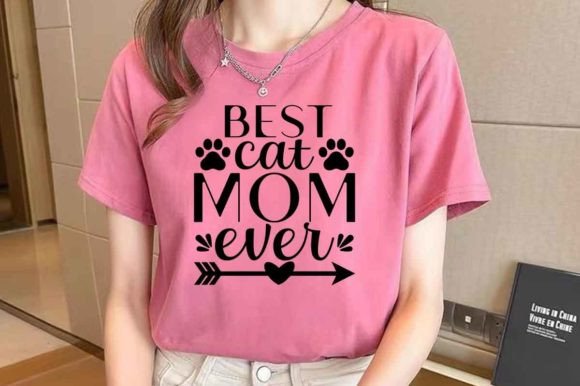
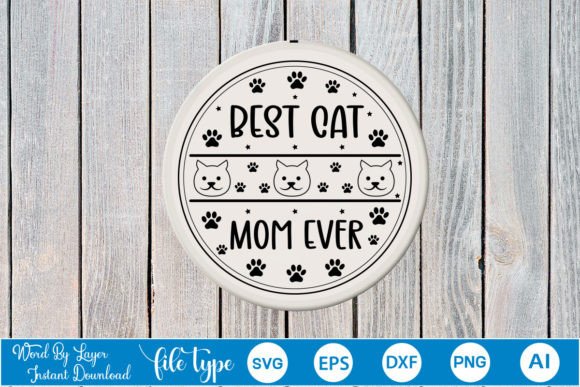
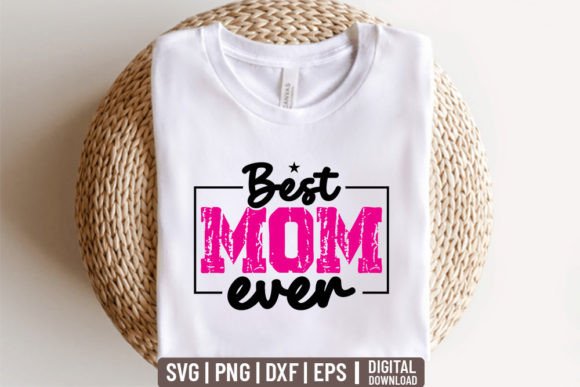
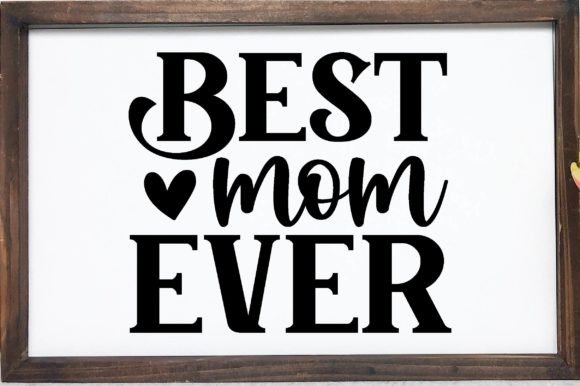
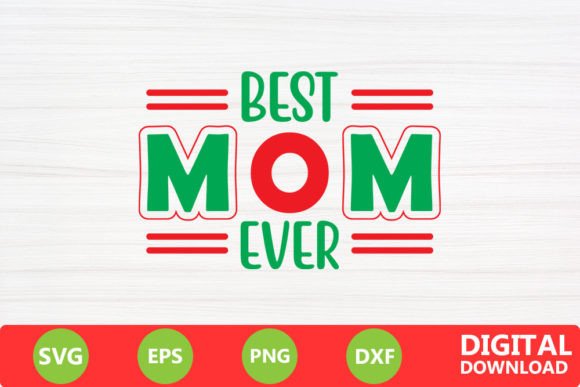
Opening this design, you immediately feel its purpose. It’s a statement piece. The layout is centered, the lettering bold, and the overall mood is celebratory and confident. It doesn’t whisper; it declares. This isn’t a delicate, filigree design—it’s meant to be seen and read clearly from a distance. That visual personality tells me it belongs naturally on items where the message is the star: a custom tote bag for a gardening mom, the center of an embroidered pillow cover for a nursery, or prominently placed on a classic sweatshirt for a boutique holiday collection.
Where This Design Excels in Real Projects
Thinking through my own workflow, this “Best Mom Ever” embroidery file would be my go-to for projects where clarity and emotional impact are key. I’d confidently use it for:
- Custom apparel like sweatshirts, t-shirts, and aprons where the bold lettering stitches up cleanly and withstands washing.
- Handmade gifts such as embroidered tea towels, pillow covers, or blanket corners—items that feel personal and special.
- Small business merchandise for Etsy sellers or craft fair tables, particularly as ready-to-sell embroidered patches or tote bags. It’s a recognizable, sentiment-driven design that sells well.
- Personalized products for clients, perhaps paired with a name or date underneath, making it a wedding gift for a new mother or a grandparent’s keepsake.
The fact that the product description notes it’s “100 vector shapes resizable” is a major practical advantage. This means you can scale it for a large hoop on a backpack or shrink it down for a baby hat without losing integrity, allowing you to adapt it to various product lines seamlessly.
Navigating Potential Challenges for Stitching Success
As with any embroidery design, success depends on mindful application. While this design’s bold nature is a strength, it requires careful consideration in certain situations.
You should use this design carefully on:
- Very small hoop sizes if scaling down extensively. While resizable, tiny lettering can become dense and may require adjusting stitch density for clarity.
- Highly textured or stretchy fabrics like certain knits. The solid fill areas need good stabilizer to prevent puckering and maintain the crisp message.
- Dark fabric backgrounds without thoughtful thread color planning. A bold white or light-colored satin stitch might be needed for maximum contrast and readability.
- Curved surfaces like caps. The centered, linear layout might need slight repositioning to fit the curve gracefully, so a test run on scrap fabric is essential.
These aren’t flaws of the design; they are simply the realities of machine embroidery. A professional approach mitigates them.
The Impact on Your Business and Customer Trust
Using a well-executed design like this affects more than just the stitch. It elevates the perceived value of your finished product. A clean, sharp “Best Mom Ever” embroidery on a tote bag communicates professionalism and care. It boosts customer trust—they see a polished, gift-ready item. For a creative entrepreneur, this consistency in output strengthens your brand as a maker of quality handmade products.
The design’s high recognizability and emotional resonance directly increase buyer engagement. In an Etsy listing or a printable mockup, it clearly communicates its purpose, making it an excellent digital product for other crafters or a reliable asset for your own commercial embroidery projects.
Practical Notes From the Embroidery Hoop
Before you load this file and start stitching for a client or your shop, here’s my habitual checklist. Treat this design as you would any valued graphics asset:
- Always test on scrap fabric first, using the same material and stabilizer you plan for the final product. This reveals how the fill stitches behave and if any small details need attention.
- Check thread color contrast against your background fabric. Do a quick mental or digital mockup in both light and dark scenarios.
- Confirm your hoop size is appropriate for the scaled size you’ve chosen. The design is resizable, but your machine’s capabilities dictate the final hoop.
- Use proper stabilizer. This is non-negotiable for maintaining the design’s crispness, especially on apparel or textured fabrics.
- Review the provided file formats—EPS, SVG, PNG, DXF—and ensure they are compatible with your software and embroidery machine process.
- Crucially, confirm the licensing before selling finished items or digital products. The product description mentions “100 Color Changeable” and “100 Print ready files,” but always verify the specific terms of use for commercial application to protect your craft business.
Embroidery is a transformation from digital to tactile. The “Best Mom Ever” design, with its straightforward, bold appeal, is a strong candidate for that transformation. It’s a graphics file that understands its job: to create a moment of recognition and warmth on a physical product. When stitched with practical wisdom, it becomes more than a design; it becomes a finished product that genuinely feels like a celebration.