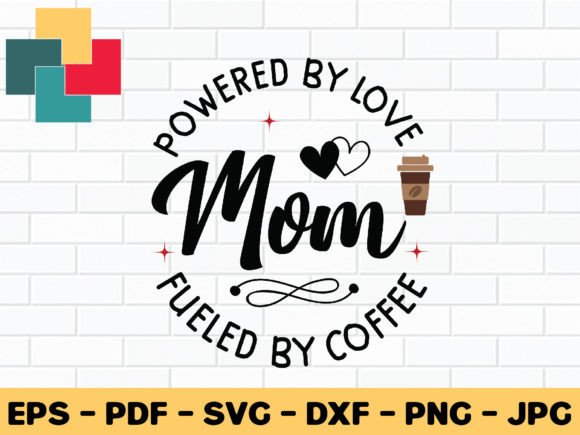
A Designer's Review: Powered by Love Mom Fueled by Coffee
As someone who evaluates dozens of embroidery files for real-world projects, I approach each design with a practical eye. How will it stitch out? What will it look like on a finished product? Will my client or customer love it? Today, I’m looking at the Powered by Love Mom Fueled by Coffee SVG embroidery design, thinking through exactly how I’d use it.
The Immediate Appeal: Warm Humor for Modern Moms
The first impression here is a clear, friendly, and relatable mood. The playful phrase speaks directly to the chaotic, loving reality of motherhood with a wink. The layout suggests a balanced, readable composition, which is crucial for embroidery. This isn’t a overly ornate or delicate design; it has a personality that feels confident and cozy. I immediately picture it on everyday items—the kind of goods a busy mom actually uses and enjoys.
Where This Design Stitches Up Perfectly
In practical embroidery situations, this design shines on personalizable, functional items. Imagine a custom embroidered tote bag for a new mom—sturdy, useful, and carrying a sentiment that makes her smile while running errands. A cozy, high-quality sweatshirt becomes a perfect gift for a friend, a Mother’s Day treat, or a bestselling item in a small shop.
For craft business owners, think about baby embroidery on a bib or a simple blanket, paired with a cute graphic, as a sweet gift set. An embroidered patch on a denim jacket or cap adds a personal touch. It works beautifully on aprons for the coffee-loving baker, pillow covers for a cozy reading nook, or even tea towels in a kitchen. The theme lends itself perfectly to holiday gifts and boutique merchandise because it’s universally understood and appreciated.
Making It Professional: From Digital File to Finished Product
Transitioning this from a digital embroidery file to a handmade product requires some practical considerations. The clarity of the lettering and any accompanying graphic elements is paramount. You’ll want to test stitch density to ensure the fill isn’t too thick for lighter fabrics like t-shirts, or too sparse for a bold look on a tote. The design’s simplicity likely means it will stitch cleanly, enhancing stitching clarity and the overall professionalism of your work.
This directly impacts product value and customer trust. A clean, well-executed embroidery job using a relatable design like this feels intentional and high-quality. It boosts giftability and buyer engagement because the final item communicates a shared feeling. For an Etsy seller or small shop, it can become a consistent, recognizable part of your brand if your niche caters to parents or homemakers.
Scenarios Where a Little Extra Care Is Needed
While versatile, some applications demand more planning. On very small hoop sizes, tiny lettering details might need simplification to remain legible. Embroidering on textured fabrics like some sweaters or stretchy fabric like certain t-shirts requires the right stabilizer to keep the text from distorting.
Dark fabric backgrounds require thoughtful thread color contrast; a white or bright satin stitch might be perfect. Applying it to curved surfaces like caps means checking how the design layout adapts to the shape. And for products that need frequent washing, such as baby clothes or kitchen linens, ensuring the stitch structure is secure and durable is key.
The Designer’s Practical Checklist Before Hooping
Before I commit this to a client’s premium sweatshirt or a batch of tote bags for a craft fair, here’s my personal workflow:
- Test on scrap fabric first, using the same material and weight as my final project.
- Review stitch density in my software preview to anticipate puckering or stiffness.
- Confirm hoop size compatibility—does the design need a larger area for best results?
- Inspect small details in the file, like any decorative accents, to ensure they’ll translate well into thread.
- Test it in black and white mockups to visualize it on both light and dark backgrounds.
- Compare light and dark fabric backgrounds mentally to plan my thread palette.
- Always use proper stabilizer for the specific fabric type; this is non-negotiable for quality.
- Critically, check whether the design works for both personal and commercial projects by reviewing the license provided with the file. Confirm licensing before selling finished items or using it in digital product previews.
The Final Stitch: Why This Design Works
The Powered by Love Mom Fueled by Coffee embroidery design succeeds because it merges a strong, relatable concept with what is likely a clean, embroidery-friendly structure. It’s a crafts and graphics asset meant for real use. It doesn’t try to be everything; it aims to be a charming, well-executed statement for a specific, appreciative audience. In the hands of a thoughtful maker—whether a hobbyist creating a personalized gift or a creative entrepreneur building a line of custom apparel—it becomes more than a file. It becomes a conversation stitched in thread, one that resonates deeply on a finished product.
That’s the true test of any design: does it elevate the final object? From my perspective, planning for that embroidered tote bag or boutique sweatshirt, this one has the warmth and practicality to do exactly that.